.png)

What to Check Before Buying or Selling a Property in New Zealand
When buying or selling a property in New Zealand, it is essential to carry out proper due diligence before making any final decisions. A professional property inspection helps identify defects, maintenance issues, moisture risks, and other concerns that may affect the value, safety, or future cost of the property.
Pre-Purchase Property Inspections
A pre-purchase inspection helps buyers understand the true condition of a home before committing to the purchase. It can identify roofing problems, cladding damage, structural movement, dampness, poor ventilation, plumbing defects, and general maintenance requirements. This information is va
luable when negotiating the purchase price and planning for future repairs or maintenance.

Pre-Sale Property Inspections
A pre-sale inspection can benefit sellers by identifying issues early before listing the property on the market. This allows time for repairs or maintenance, which can improve buyer confidence and reduce delays during the sale process.
A well-prepared property is more likely to attract stronger offers and smoother transactions.
LIM Report and Council Records
It is important to review the LIM report (Land Information Memorandum) and available council records before buying a property.
These documents may include:
Building consents and permits
Zoning information
Drainage and stormwater details
Flood risk information
Retaining wall records
Previous council notices or issues
This helps ensure there are no hidden compliance or planning risks.
Additions, Alterations and Consent Issues
Any additions, alterations, decks, garages, sleepouts, or renovations should be checked to confirm whether the required council approvals and consents were obtained.
Unconsented work can lead to:
Legal issues
Insurance complications
Resale difficulties
Retaining Walls and Site Stability

Retaining walls are common on sloping sites and should be carefully assessed for condition and performance.
Key risks include:
Movement or leaning
Cracking or bulging
Poor drainage
Timber decay or corrosion
Failure of retaining walls can lead to safety risks and expensive repairs.
Asbestos Awareness
Older properties may contain asbestos in roofing, cladding, textured ceilings, or other building materials. If asbestos is suspected, specialist testing should be carried out before any renovation, demolition, or purchase decisions.
Methamphetamine Testing
A methamphetamine test is recommended where there are concerns about previous occupancy or contamination.
Testing helps identify:
Health risks
Decontamination requirements
Potential insurance and resale impacts
Plumbing and Drainage Systems
Visible plumbing and drainage systems should be assessed, including:
Water pressure and leaks
Wastewater drainage
Pipe condition and materials
Older systems such as Dux Quest piping, which is known to fail in some properties
Stormwater, Surface Water and Flood Risk
The site should be assessed for:
Stormwater drainage performance
Surface water runoff
Ground pooling or dampness
Flood zone risk
Poor drainage can contribute to long-term moisture issues and structural damage.
Electrical Systems
Electrical systems should also be reviewed, including:
Switchboard condition
Visible wiring
Power points and fittings
Smoke alarms
Older homes may require electrical upgrades to meet modern safety expectations.
Roofing, Gutters and Downpipes
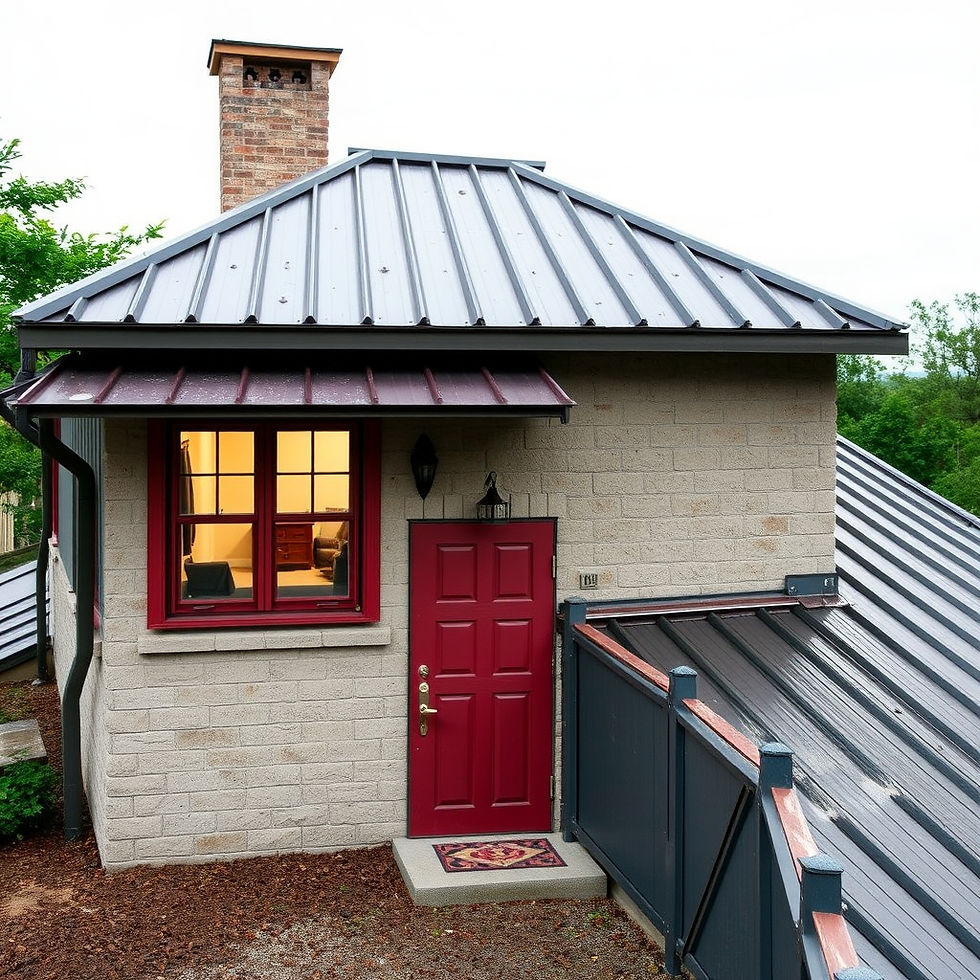
Roofing systems should be checked for:
Leaks or corrosion
Damaged flashings
Blocked gutters
Poor water discharge
Roof repairs can be costly if issues are not identified early.
Healthy Homes Standards (Rental Properties)
For rental properties, a Healthy Homes Standards assessment is highly recommended.
This ensures compliance with requirements for:
Heating
Insulation
Ventilation
Moisture and drainage
Draught stopping
Compliance improves tenant comfort and reduces long-term property issues.
Property Title and Legal Checks
It is important to review property title documents for:
Easements
Shared driveways
Access rights
Boundary conditions
These factors may affect how the property can be used or developed in the future.
Final Advice
Taking the time to complete proper due diligence before buying or selling a property can significantly reduce risk, avoid unexpected costs, and improve confidence in your decision. A professional property inspection combined with LIM review, council checks, and specialist assessments provides the most complete understanding of a property’s true condition.
Comments